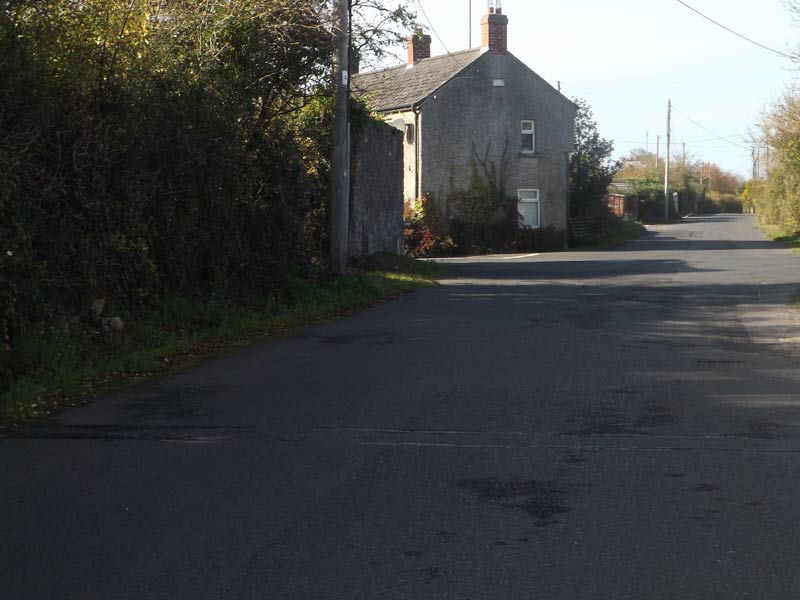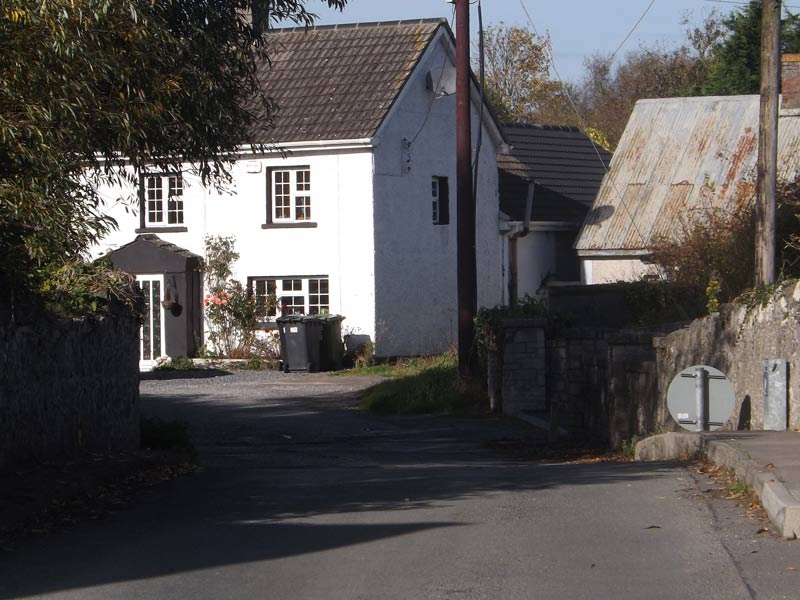
The Weaving Industry: The weaving industry was introduced to Duleek by the Huguenots in the 17th century. They built their houses in rows of ten to twenty five on each side of a narrow lane. The craftsmen made their own hand looms from local timber. About 250 families were engaged in the weaving industry in Duleek prior to the advent of steam looms. They worked late into the night by the light of rush tallow candles which in turn were made locally by the Stapleton family in the ruins of St Cianan’s Church.
It took these weavers about two weeks to manufacture twenty-five yards of cloth which was subsequently sold in the Linen Hall in Drogheda. The weavers also dyed the wool and linen thread, the last of the dye-houses being Wherty’s, the family which gave its name to Wherty’s Lane. In 1904 James Kelly was the first and only weaver to introduce power looms in Duleek.
Fruit Industry: Also located in the Larrix Street-Kingsgate area of Duleek was the fruit-growing industry. This was introduced to the locality around the turn of the 18th century.
Individual fruit farms are referred to as plantations and the introduction of the industry followed a visit by Duleek people to Blairgowrie in Scotland. The industry was thriving up to and including the period of the second world war at which time Duleek and its environs were the premier fruit-growing location in Ireland. To this day, a small number of dedicated growers, such as Jim Conlon, Jim Curley and P. McCabe, continue the tradition in the Larrix Street-Kingsgate area.